The Global Burden of Low Back Pain: Understanding the Crisis and How to Protect Your Spine
21. 10. 2026
Low back pain is one of the most widespread medical conditions in modern society, serving as the single leading cause of disability worldwide
According to landmark findings from the Global Burden of Disease (GBD) Study published in The Lancet Rheumatology, an estimated 619 million people were living with low back pain in 2020. Epidemiological projections indicate that this number will expand to more than 843 million cases by the year 2050.
Contrary to common belief, this global surge is not caused by a sudden deterioration of human spinal health. Rather, it is driven by demographic shifts, specifically rapid global population growth and rising life expectancies. Because back pain naturally peaks in mid-to-late adulthood, an aging global population creates a significantly higher total volume of cases. While age-standardized prevalence rates have experienced a minor decrease over the past three decades, the absolute societal and economic burden continues to grow.
Primary Causes and the Three Major Modifiable Risk Factors
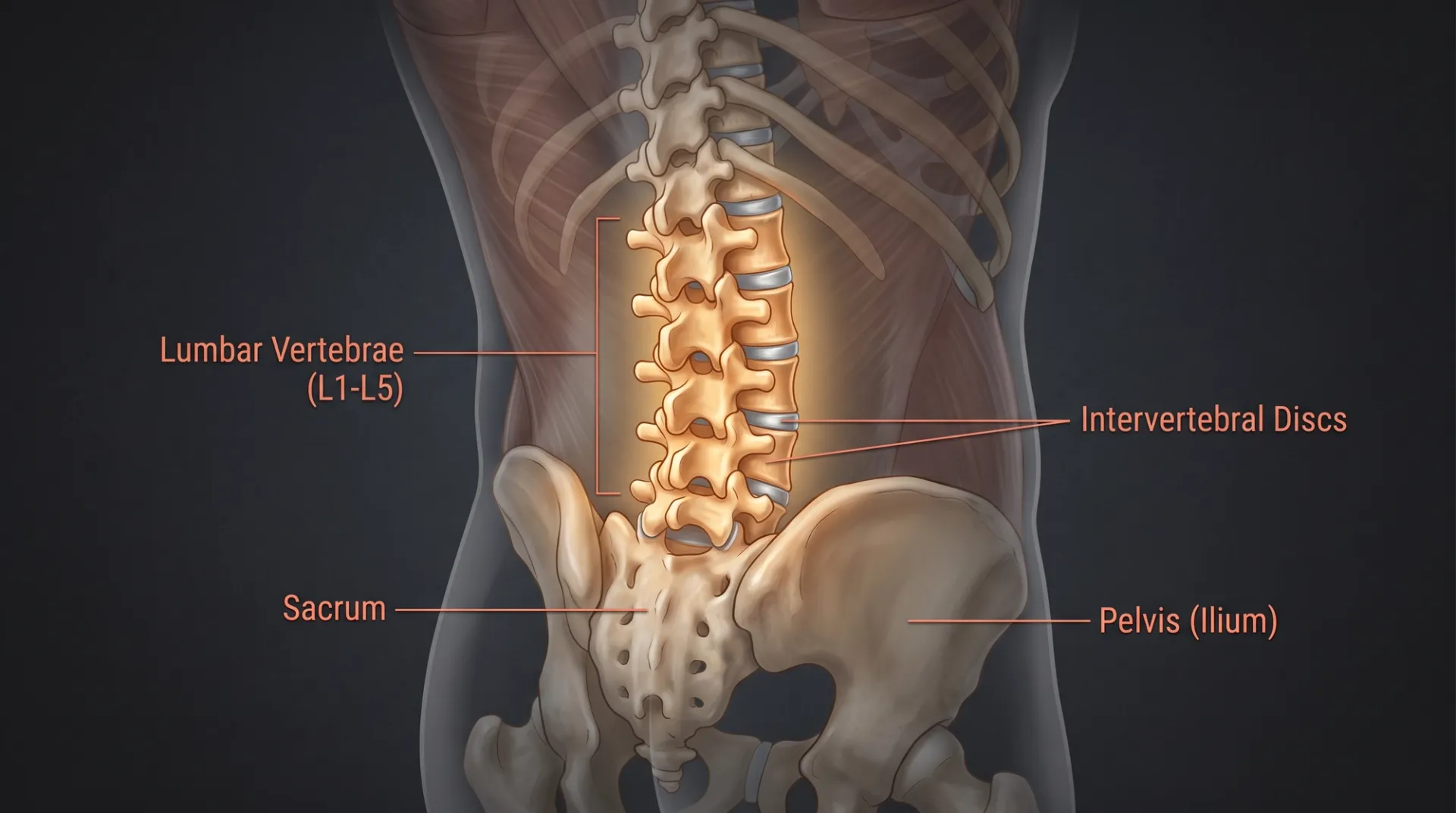
To address low back pain effectively, researchers define the condition as discomfort located between the lower edge of the twelfth ribs and the inferior gluteal folds, lasting for at least one full day. While many instances are classified as non-specific—meaning they cannot be linked to a single structural defect—the GBD Study highlights that 38.8% of global disability from low back pain is directly attributable to three key modifiable risk factors:
- Occupational Ergonomic Stress: Prolonged static sitting, poor workstation posture, frequent heavy lifting, and repetitive rotational twisting place continuous mechanical strain on lumbar structures.
- Tobacco Use: Nicotine suppresses microvascular circulation, reducing the delivery of oxygen and vital nutrients to intervertebral discs. This accelerates disc degeneration and impairs the body’s natural tissue repair mechanisms.
- High Body Mass Index (BMI): Excessive body weight alters the body’s center of gravity, shifting additional mechanical loads onto the lumbar spine and increasing chronic low-grade systemic inflammation.
Evidence-Based Strategies for Prevention and Spine Health
Because nearly 40% of the global burden is linked to preventable risk factors, proactive lifestyle adjustments offer significant protective benefits. Rather than relying solely on reactive treatments, long-term spinal health requires consistent, preventative habits:
- Optimize Workplace Ergonomics: Avoid remaining in a fixed posture for extended periods. Ensure monitors are at eye level, maintain foot support, and take brief movement breaks every 45 to 60 minutes to relieve passive disc pressure.
- Build Core and Functional Strength: Developing the muscle groups surrounding the abdomen, hips, and lower back creates an internal bracing system that stabilizes the lumbar spine during daily movement.
- Adopt Safe Movement Mechanics: Practice lifting from the hips and knees rather than bending at the waist. Keeping heavy objects close to the body’s center of mass minimizes axial load on the vertebrae.
Key Takeaways
- Global Impact: Low back pain remains the #1 cause of years lived with disability (YLDs) worldwide, affecting over 619 million individuals today.
- Future Outlook: Total cases are projected to reach 843 million by 2050 due to population growth and aging demographics.
- Preventable Risks: Almost 39% of disability from back pain is tied to three addressable factors: occupational strain, smoking, and high BMI.
- Actionable Solution: Long-term prevention centers on ergonomics, core strengthening, lifestyle management, and routine daily movement.