Functional Movement Patterns for Everyday Life
01. 09. 2026
1
The 3-Point Fix: How Mastering Basic Movement Quality Keeps You Out of the Injury Zone.
What is Functional Movement in Daily Life and Why is it Important?
Picture two people picking up a heavy box of groceries off the floor:
- Person A hinges smoothly at the hips, bends their knees, keeps their core tight, and lifts the box effortless to the counter.
- Person B rounds their lower back, twists while reaching, and feels a sharp, sudden twinge in their lumbar spine that leaves them sitting on an ice pack for the rest of the week.
Neither of these people is lifting weights at a gym. They’re just living life. But the difference in how their bodies move boils down to one essential concept: functional movement.
What Is Functional Movement in Daily Life?
At its core, functional movement refers to the natural, real-world movement patterns your body uses to navigate everyday tasks safely and efficiently. It isn’t about how much you can bench press or how fast you run on a treadmill; it’s about how well your muscles, joints, and nervous system work together to carry out basic physical actions.
Functional movement relies on four major pillars:
- Mobility: How freely your joints move through their intended range of motion.
- Stability: How well your core and muscles hold your body steady against unwanted movement.
- Coordination: How smoothly your nervous system orchestrates complex muscle actions.
- Symmetry: How evenly balanced your strength and movement are between the left and right sides of your body.
The 7 Primary Functional Patterns You Use Every Day
Whether you’re in the gym or running errands, almost all human movement traces back to seven fundamental patterns.
Movement Pattern: Real-Life Example
- Squatting: Getting up out of a low chair or sitting down on the couch
- Lunging: Bending down to tie your shoe or stepping over an obstacl
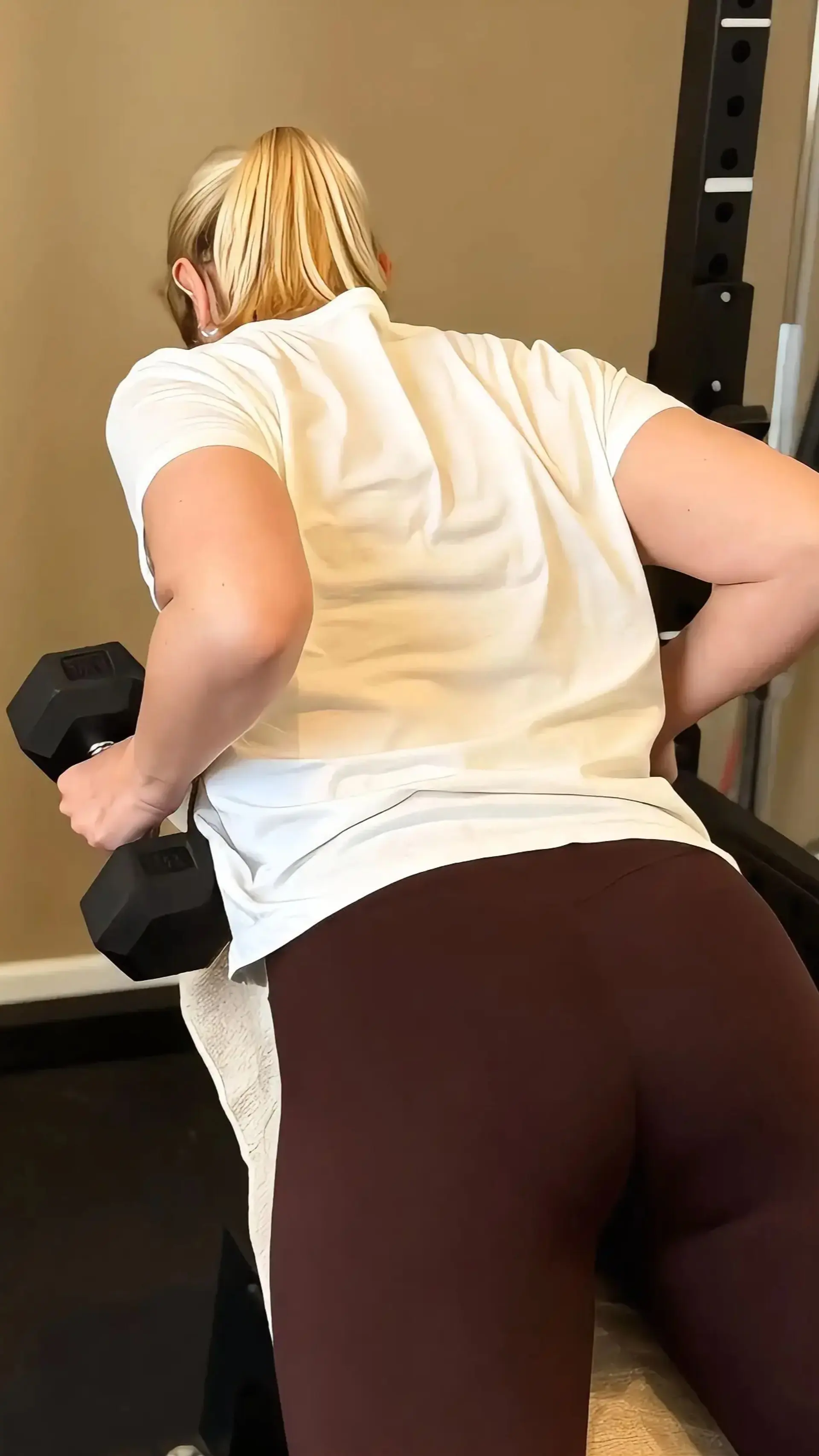
- Hinging: Bending at the waist to pick up a laundry basket or toddler
- Pushing: Opening a heavy door or pushing a stalled lawnmower
- Pulling: Opening a heavy refrigerator door or starting a lawnmower cord
- Rotating: Turning to reach for a seatbelt or placing groceries in the backseat
- Gait/Walking: Walking, carrying bags, or climbing stairs
Why Is Functional Movement So Important?
When you spend long hours sitting at a desk, staring at screens, or driving, your body adopts compensations. Muscles grow tight, stabilizer muscles go dormant, and side-to-side imbalances quietly creep in. Over time, these subtle glitches turn into aches, pains, and sudden injuries.
Here is why prioritizing functional movement changes everything:
1. It Protects You From Daily Injury
Over 70% of musculoskeletal injuries stem from internal risk factors specifically movement dysfunctions, poor dynamic balance, and muscle imbalances. You don't have to be sprinting or lifting heavy weights to pull a muscle; poor functional movement causes people to throw out their back doing simple things like putting on socks or lifting a bag of dog food.
2. It Corrects Silent Left-Right Imbalances
Most people have a dominant side. Over time, carrying bags on the same shoulder or favoring one leg creates asymmetry. If your left hip is tight, your right lower back works overtime to compensate. Functional movement trains your body to move symmetrically, removing extra stress from your joints.
3. It Makes Daily Life Effortless
When your functional movement capacity is high, ordinary tasks stop feeling like chores. Carrying heavy suitcases through an airport, playing on the floor with your kids, or working in the garden feels easy and pain-free.
What Does the Science Say?
For a long time, people assumed that functional movement screening and corrective exercises were only meant for elite athletes, firefighters, or military personnel. But scientists wanted to know: Does functional exercise actually help everyday, untrained people?
A major 2022 landmark meta-analysis published in the International Journal of Environmental Research and Public Health examined 20 studies involving 1,596 untrained individuals—including students, desk workers, and older adults.
Researchers evaluated participants using the Functional Movement Screen (FMS)—a 7-part test measuring basic movement quality on a 21-point scale (where scores below 14 signal high injury risk).
The results were remarkable:
- A 3-Point Quality Boost: Structured functional movement training increased participants' overall movement scores by an average of +3.01 points, instantly lifting them out of the high-risk injury zone.
- 60% Reduction in Asymmetries: Targeted functional exercises slashed physical imbalances between the left and right sides of the body by 60%.
- Universal Upgrades: Every single functional pattern tested—from deep squats and lunges to shoulder mobility and core stability—showed significant, measurable improvement.
How to Improve Your Functional Movement Starting Today
You don't need a complicated routine to build functional movement into your life. Start with these simple principles:
- Prioritize Quality Over Quantity: Focus on smooth, controlled technique before adding weight or extra repetitions to any exercise.
- Fix the Core and Hips: Daily sitting tightens the hip flexors and weakens the glutes and core. Incorporate hip stretches, plank variations, and glute bridges into your week.
- Train Patterns, Not Just Isolated Muscles: Swap out single-muscle isolation machines (like leg extension machines) for multi-joint movements like bodyweight squats, lunges, and rows.
- Address Your Weak Side: If your left leg is noticeably wobblier during lunges, spend extra time building stability on that side.
The Bottom Line
Functional movement is the foundation for everything you do. By taking care of your basic movement quality today, you aren't just setting yourself up for better workouts you are investing in a pain-free, mobile, and independent lifestyle for years to come.