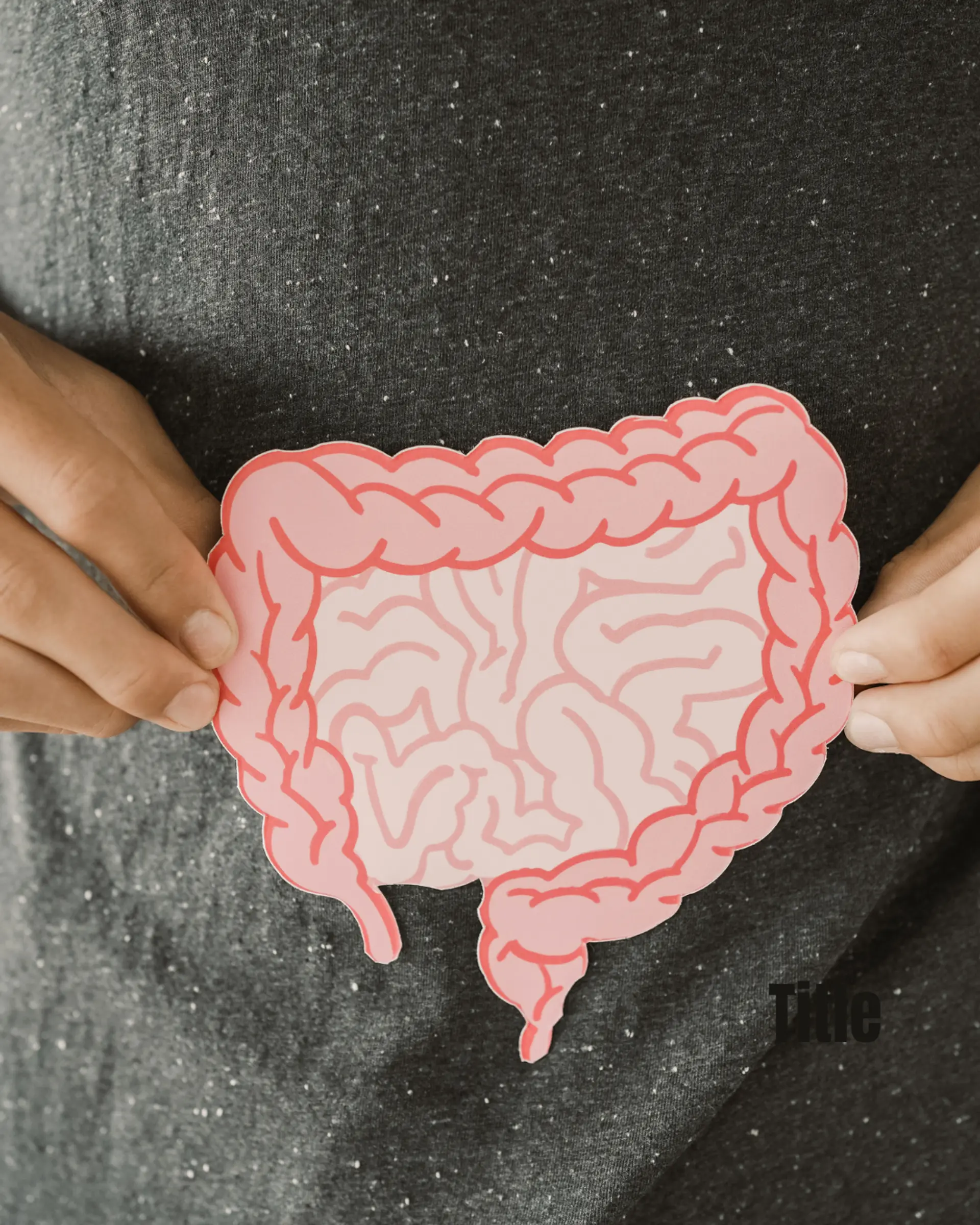
The Microbiome and Healthy Longevity
16. 09. 2026
From building muscle fuel to fighting off inflammation, your gut bacteria do far more than digest food they might just determine how long and how well you live.
Understanding why certain individuals achieve exceptional longevity while maintaining high functional capacity remains a primary focus of aging research. Beyond genetics and lifestyle choices, recent evidence highlights the gut microbiome as a critical determinant of biological age and intrinsic health capacity.
A study published in Microorganisms (Deng et al., 2025) evaluated the relationship between microbial composition, metabolic pathways, and functional health markers across a cohort of nonagenarians (ages 90–98) and younger-old controls (ages 60–89). Below is an executive summary of the study’s core insights and practical health implications.
1. Distinct Microbial Biomarkers in Long-Lived Adults
The gut composition of healthy nonagenarians exhibits a distinct microbial profile characterized by an abundance of key health-promoting taxa, including:
- Akkermansia muciniphila: Plays a central role in maintaining gut mucosal barrier integrity and modulating low-grade systemic inflammation.
- Bifidobacterium spp.: Essential for baseline immune support and optimal nutrient processing.
Conversely, frail older adults demonstrated higher proportions of opportunistic pathogens such as Escherichia coli which are associated with mucosal degradation and increased systemic inflammation.
2. Microbial Metabolites and Physical Muscle Function
Maintaining physical mobility and muscle strength (measured via handgrip strength and physical performance batteries) directly correlated with the presence of short-chain fatty acid (SCFA)-producing bacteria, such as Roseburia and Eubacterium species. SCFAs act as key signaling molecules that:
- Nourish colonocytes and preserve gut barrier function.
- Mitigate systemic inflammatory responses.
- Support muscle tissue preservation and metabolic resilience in late life.
3. Endogenous Nutrient Synthesis via Metabolic Pathways
Metagenomic pathway analyses revealed that long-lived adults with superior physical capacity possessed gut microbiomes heavily enriched in branched-chain amino acid (BCAA) biosynthesis pathways (specifically for L-isoleucine, L-valine, and L-threonine). This indicates that a healthy gut microbiome functions as an internal metabolic engine, synthesizing essential amino acids necessary for muscle protein maintenance, energy homeostasis, and tissue repair.
4. Modulation via Lifestyle and Psychosocial Factors
The study confirmed that gut microbial profiles remain highly responsive to external interventions:
- Dietary Patterns: Regular dairy intake (e.g., daily milk consumption) was positively associated with favorable shifts in microbial diversity.
- Psychosocial Stress: High anxiety levels negatively altered gut composition, reinforcing the bidirectional relationship between the central nervous system and gut microbiota (the gut-brain axis).
Key Recommendations for Healthy Longevity
To support gut microbial diversity and physical performance through aging:
- Optimize Dietary Fiber: Consume a diverse array of plant foods, legumes, and whole grains to fuel SCFA-producing microbial species.
- Promote Mucosal Health: Incorporate polyphenol-rich foods (such as berries and green tea) to encourage mucosal-beneficial bacteria like Akkermansia.
- Manage Chronic Stress: Implement stress-mitigation strategies to prevent gut dysbiosis driven by cortisol and elevated stress responses.
- Maintain Muscle Mass: Combine balanced protein nutrition with resistance and cardiovascular exercise to sustain muscle capacity alongside gut health.